Global
The Next Data Center Hubs Need More Than Power
Karan Prasad · 30 September 2026 · 3 min read
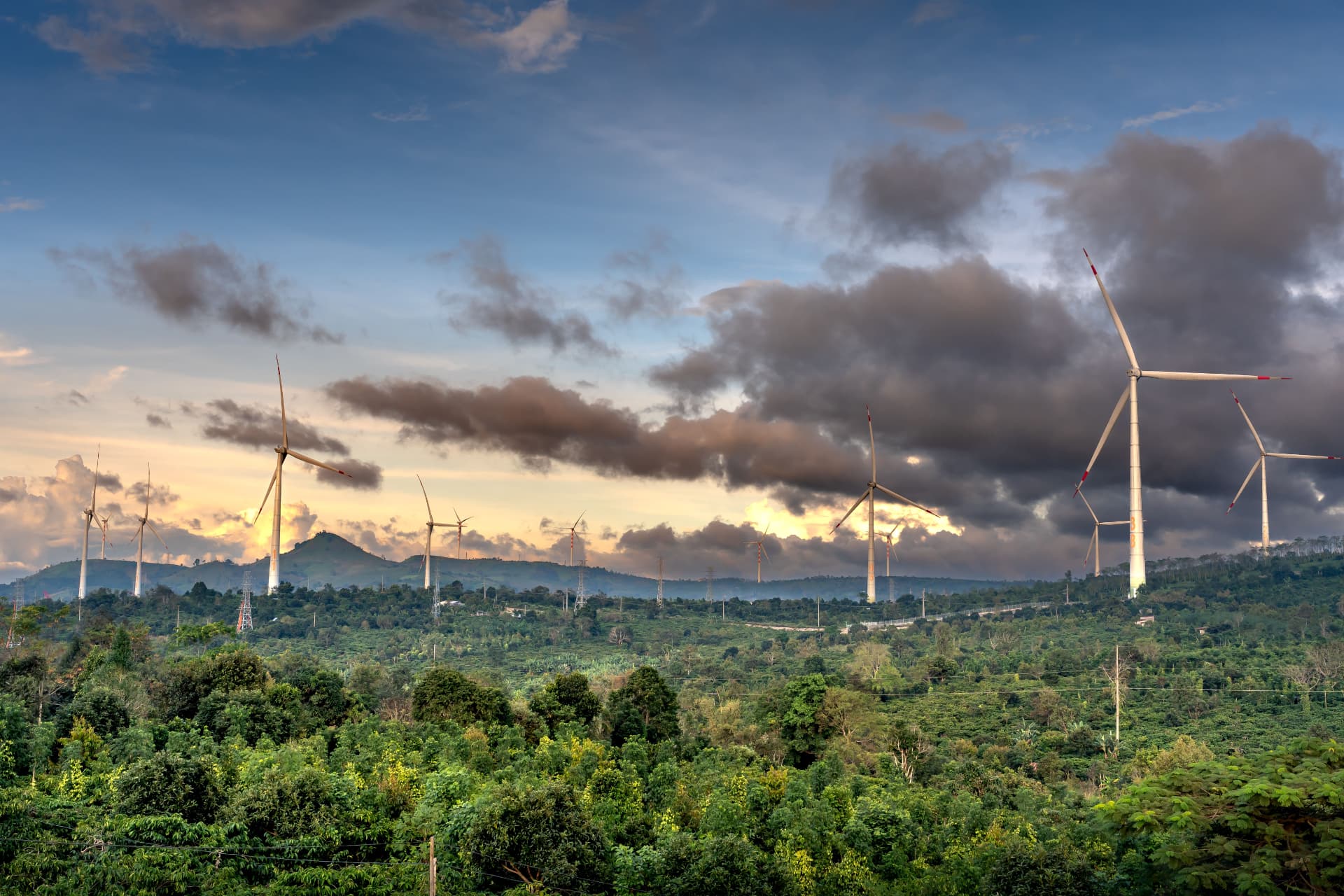
Oracle recently signed agreements for 1.7GW of wind energy in Texas, another indication of how quickly the state is becoming one of the most important data center markets globally.
Texas has many of the ingredients developers are searching for: land, a large energy market, fiber infrastructure and the ability to pursue different approaches to power. Dallas-Fort Worth alone reached approximately 1.25GW of colocation inventory in early 2026, with another 717MW under construction, while development in West Texas is also accelerating.
This raises a broader question. How many other regions could become major data center markets if they can solve for land, power and permitting?
As established markets become constrained, hyperscalers and developers are increasingly willing to consider locations that historically sat outside the largest data center hubs. Malaysia has demonstrated how quickly that can happen. Finland is attracting significant investment on the back of its energy system and infrastructure. Similar opportunities could emerge elsewhere.
But finding somewhere to build is only the beginning. The people required to deliver and operate that capacity can become the next constraint.
Malaysia: Infrastructure Growth Outpaced the Talent Pool
Malaysia, and Johor in particular, is a good example of how quickly a market can develop.
The combination of land, proximity to Singapore and substantial infrastructure investment has attracted hyperscalers, operators and developers. The government is now actively vetting projects, with Johor having rejected some applications that failed to meet its sustainability requirements.
The physical market has expanded faster than the pool of people with direct hyperscale data center experience.
We have seen this first-hand when recruiting in Malaysia. Engineering and operations talent with experience delivering or running large-scale, mission-critical facilities has been considerably more limited than the pipeline of projects would suggest.
This creates competition for the same relatively small group of people across design, electrical and mechanical engineering, commissioning, critical facilities and operations.
Companies then have several choices. They can relocate experienced people from Singapore or other established markets, develop local talent, or look into adjacent industries such as semiconductor manufacturing, pharmaceutical facilities and other complex industrial environments.
Malaysia itself has recognised the relevance of these adjacent capabilities: areas being highlighted around its growing data-center ecosystem include clean-room design, interconnection, energy efficiency, renewable power and other engineering disciplines that overlap with semiconductor and advanced industrial development.
Over time, today's projects will create Malaysia's next generation of experienced data center professionals. Until then, talent remains an important part of the market-entry equation.
Finland: Power Creates a Different Talent Requirement
Finland presents a different challenge.
Its sustainable energy system, strong infrastructure and relatively streamlined permitting are among the characteristics being promoted as the country develops its data center ecosystem. Energy efficiency, flexibility and heat recovery are also becoming increasingly important parts of that ecosystem.
That changes the type of talent companies need.
Large-scale development requires people who understand grid connections, power procurement, energy strategy and increasingly complex electrical design. Design teams also need to translate hyperscale and AI requirements into facilities that can operate reliably in a market with its own regulatory, climatic and energy characteristics.
A hyperscaler entering Finland therefore needs more than people who understand data centers. It needs a combination of international hyperscale experience and local power, engineering and design knowledge.
Some of those capabilities will already exist locally, particularly within utilities, energy companies and engineering consultancies. The challenge is bringing those skills together with people who understand hyperscale delivery.
Texas Has an Advantage Others May Not
Texas starts from a different position.
Dallas-Fort Worth is already one of North America's largest data center markets. It has an established ecosystem of developers, contractors, consultants, operators and technical professionals, alongside the broader U.S. talent pool that can move between major markets.
CBRE found Dallas-Fort Worth was the most attractive market for 78% of data center investors it surveyed in 2026, citing land availability, its deregulated electricity market, competitive power costs and fiber infrastructure among its advantages.
That existing ecosystem matters.
When a new project is announced in Texas, the developer is entering a market where a significant amount of data center knowledge already exists. That does not mean hiring is easy—the U.S. is experiencing shortages in several specialist disciplines, and companies are actively investing in workforce development. But Texas has a depth of relevant experience that many emerging markets simply do not have.
A country can create favorable permitting. Utilities can make power available. Investors can acquire land.
Building an experienced workforce takes considerably longer.
Talent Should Be Part of Market Entry
As more data center development moves into emerging locations, talent needs to be considered earlier in the market-entry process.
Before committing to a new geography, developers should understand whether the market has people capable of leading development, navigating power and utilities, managing design, delivering construction, commissioning facilities and operating them once live.
Where that depth does not exist, the talent strategy needs to be deliberate. Which positions require existing hyperscale experience? Which can come from adjacent industries? Which leaders need to be relocated? And where can local teams be developed underneath experienced international hires?
The next major data center hubs may emerge because they solve the problems of land, power and permitting.
Their ability to scale will also depend on whether they can build the workforce required to turn those advantages into operating capacity.
At Prosidon, we work with data center companies globally across development, power, engineering, construction and operations. If you are entering a new market or struggling to find specialist talent locally, please reach out to us.