Market
If AI Development Slows, What Happens to Data Center Talent Demand?
Karan Prasad · 21 October 2026 · 4 min read
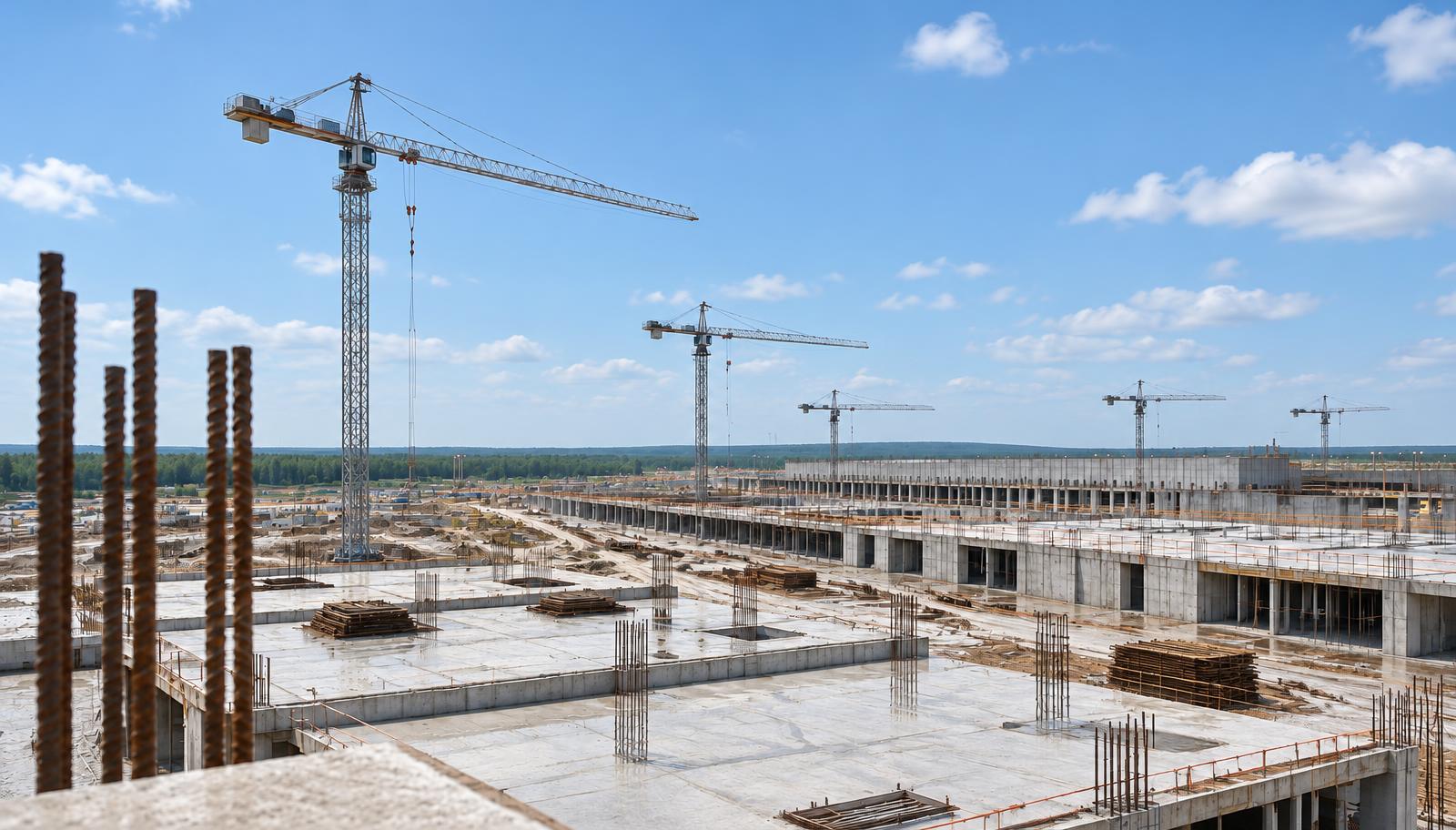
The extraordinary growth in AI has created equally extraordinary expectations for data center development. At the same time, governments are considering how increasingly powerful AI systems should be regulated, while some of the industry's leading figures have publicly raised concerns about the speed of development.
For the data center industry, this raises an interesting question: if regulation slows the development of frontier AI, does the demand for infrastructure — and the people required to deliver it — slow with it?
There are good reasons to believe the talent requirement will remain substantial.
AI Adoption Has Many More Places to Go
Training increasingly powerful models is only one source of compute demand. Existing AI capabilities are already being integrated into financial services, healthcare, engineering, scientific research, software, manufacturing and everyday business processes. As adoption spreads, inference creates its own requirement for computing infrastructure.
Cloud computing, enterprise workloads, data storage and other digital services are also continuing to grow alongside AI. Regulation may influence the trajectory of frontier AI development, but there are already enough practical use cases for significant infrastructure investment to continue.
The geographic picture is expanding too. Data center development is spreading across established and emerging markets as companies search for power, land and connectivity. Each new campus still needs people who can secure sites and power, navigate permitting, design increasingly dense facilities, manage construction, commission infrastructure and ultimately operate it.
The Talent Requirement Could Become More Specialised
AI infrastructure is also changing what companies need from their teams. Higher rack densities, liquid cooling, increasingly complex power architectures and much larger campuses are creating technical challenges that require experience across engineering, construction, commissioning and operations.
The people capable of leading these projects cannot be developed as quickly as capital can be committed or new projects announced. A Development Executive who understands utility negotiations and large-scale site development, an Engineering leader who has delivered high-density facilities, or a Construction Executive capable of managing a multi-billion-dollar programme may have accumulated that experience over decades.
Even if AI infrastructure growth eventually settles into a more moderate trajectory, the industry is starting from a position where experienced talent is already limited.
There is also likely to be greater demand for adjacent expertise. As data centers become more closely connected with power generation, transmission, renewables and storage, companies are increasingly looking beyond conventional data center backgrounds for people with experience in energy and other complex infrastructure sectors.
Growth Can Change Without Disappearing
Regulation could influence where AI infrastructure gets built, how quickly certain projects progress and which technologies receive investment. Different approaches across the United States, Europe and APAC could also shift development between markets.
For talent, that may change where the opportunities appear rather than remove the underlying requirement.
Data center platforms will still need development, power, design, engineering, construction, commissioning and operations capability to turn investment into functioning capacity. As the industry expands into new markets and technical requirements become more demanding, competition for people who have successfully delivered this infrastructure is likely to remain an important part of the market.
AI development does not need to continue at its most aggressive possible pace for data center talent demand to remain strong. The number of existing use cases, continued digitalisation and infrastructure already in development provide a substantial foundation for further growth.
At Prosidon, we work with data center developers, operators, hyperscalers, neoclouds and investors globally to secure leadership and engineering talent for hyperscale and AI infrastructure projects. If you are scaling teams in this space, we would be pleased to connect.