News
Data Centre World Asia 2026: What We Heard From the Industry
Prosidon · 1 October 2026 · 4 min read
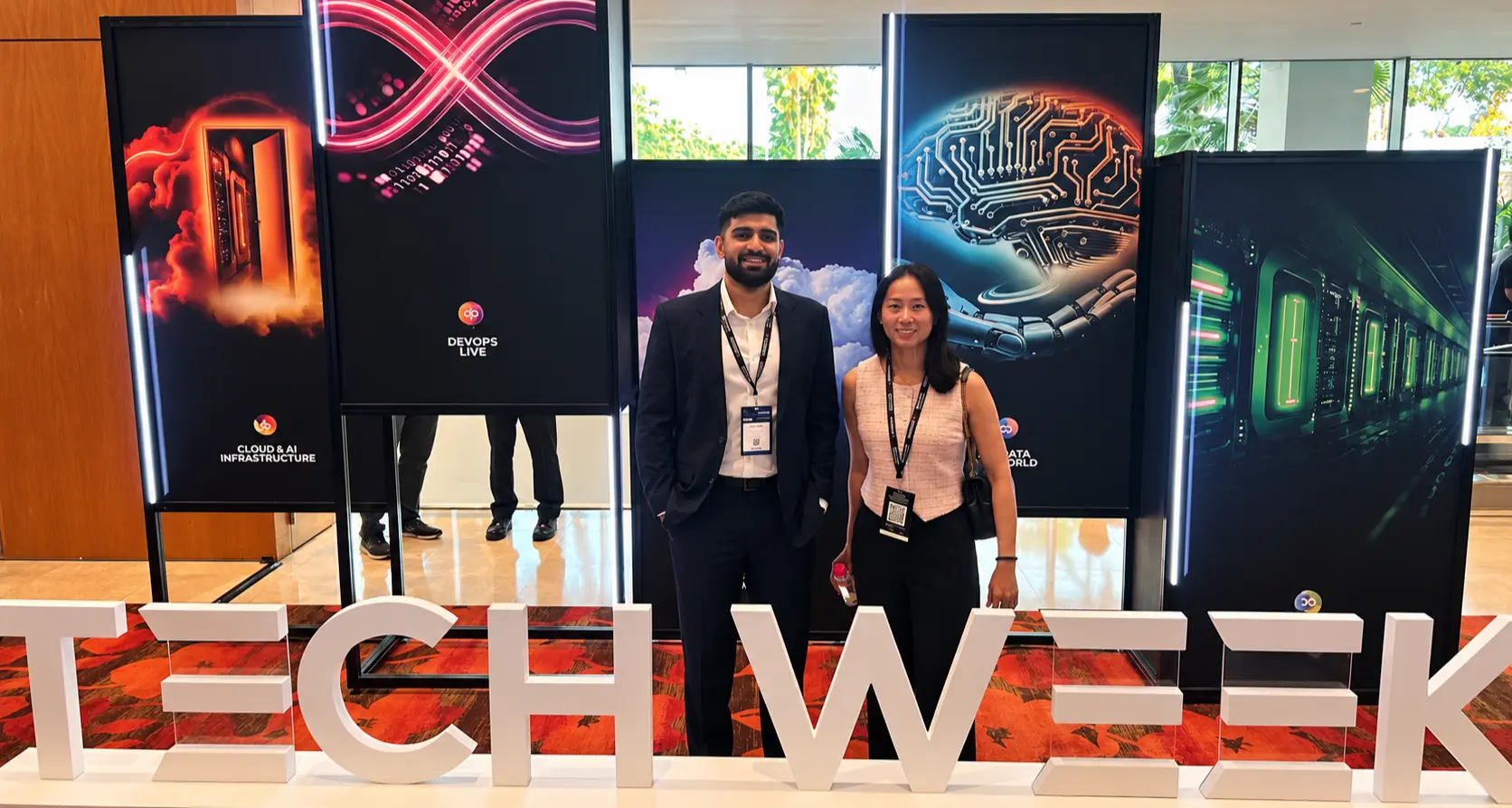
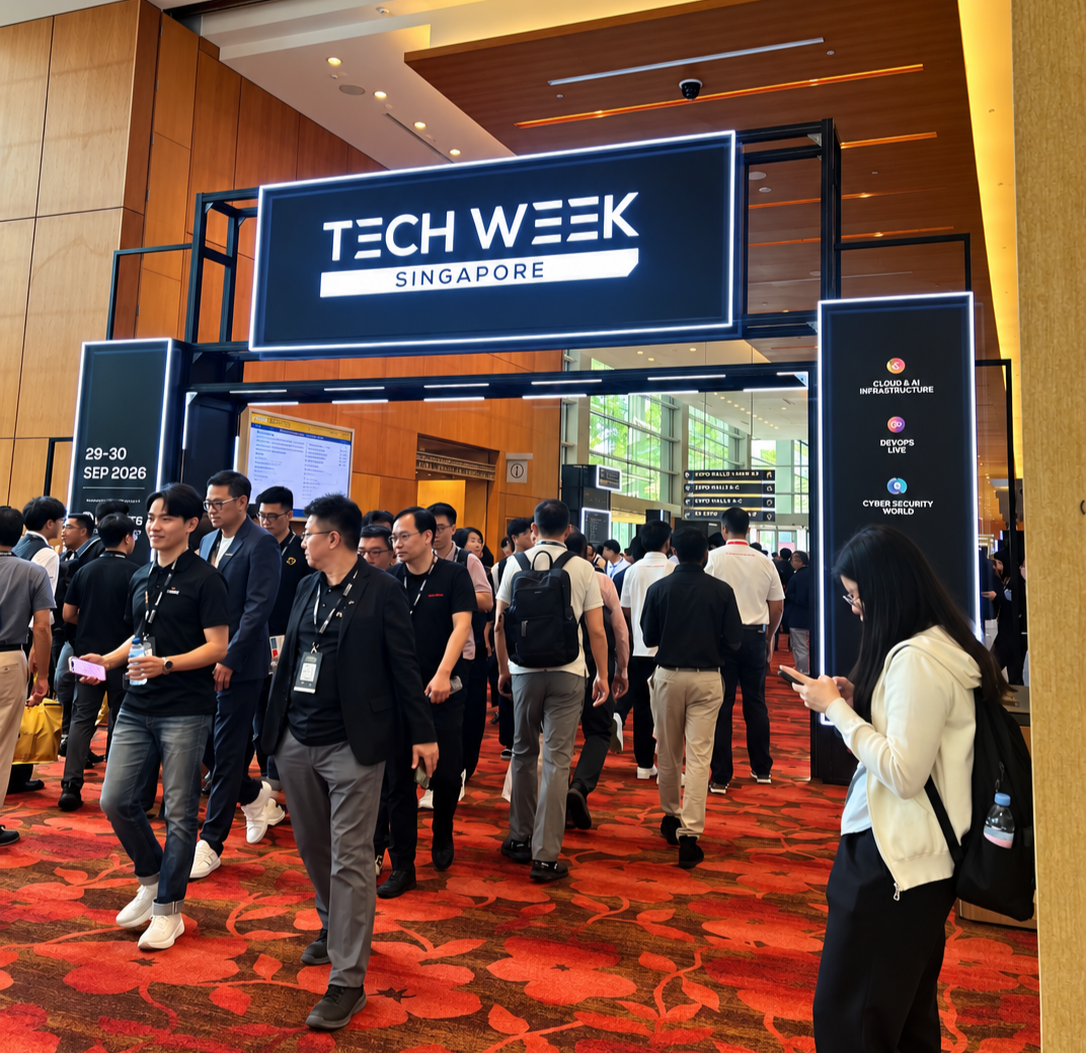
The Prosidon team spent two days at Data Centre World Asia 2026 in Singapore, meeting with clients, candidates and industry leaders from across the region. With AI infrastructure investment accelerating and data centre platforms continuing to expand across APAC, much of the conversation focused on a familiar challenge: how quickly new capacity can actually be delivered.
One of the clearest themes was speed to market. Demand for data centre capacity continues to put pressure on development timelines, and modular construction, prefabrication and greater standardisation were discussed as ways to reduce the time required to bring new facilities online. As Prosidon’s Kashif Ameer observed after the event, “Demand is still moving faster than supply. Operators are looking at modular and prefabricated designs to bring build times closer to 12–18 months.”
That pressure is being felt well before construction begins. Power availability, suitable land and cooling remain significant constraints on new development, while regulatory requirements and the expectations of local communities are becoming increasingly important considerations. For developers and operators looking at new markets across Singapore, Malaysia, Thailand, Japan, Korea, Australia and the wider APAC region, these factors are increasingly influencing where projects can be developed and how quickly they can progress.
AI Is Changing the Technical Requirements
The continued growth of AI infrastructure was visible throughout the event. Higher-density computing is changing requirements around power distribution, cooling and facility design, with liquid cooling receiving considerably more attention as rack densities increase.
Ameer noted that “AI workloads are pushing densities much higher, which is making liquid cooling more of a necessity than an option.” For engineering and design teams, this means the technical requirements of the next generation of data centres are evolving quickly. Companies need people who understand established hyperscale environments while also being capable of adapting to new cooling architectures, power requirements and increasingly dense deployments.
The Talent Challenge Continues
Talent remained another recurring topic in our conversations. Development pipelines have grown substantially across the region, but the pool of people with experience delivering and operating large-scale data centre infrastructure has taken much longer to develop.
The challenge is particularly visible in experienced technical and leadership hiring. As projects progress through design and construction into commissioning and operations, demand continues to grow for engineering, construction, commissioning and operations professionals who have already worked in complex mission-critical environments.
As Ameer put it, “There is a lot of infrastructure being planned and built, but experienced technical and leadership talent remains difficult to find. The number of projects is growing much faster than the pool of people who have delivered them before.”
For hyperscalers, neoclouds, data centre developers, operators, consultancies and investors, access to that experience will remain an important part of delivering the next phase of digital infrastructure growth across APAC.
Data Centre World Asia was another useful opportunity for the Prosidon team to hear directly from the people developing, designing, constructing and operating the region’s infrastructure. Thank you to everyone who took the time to meet with us during the two days in Singapore.
Prosidon provides executive search and specialist recruitment across the global data centre and digital infrastructure market, supporting hiring across development, power, engineering, design, construction, commissioning and operations. To discuss your hiring requirements, please reach out.