Market
Could US Restrictions on Nvidia GPUs Slow Southeast Asia's Data Center Boom?
Karan Prasad · 18 November 2026 · 4 min read
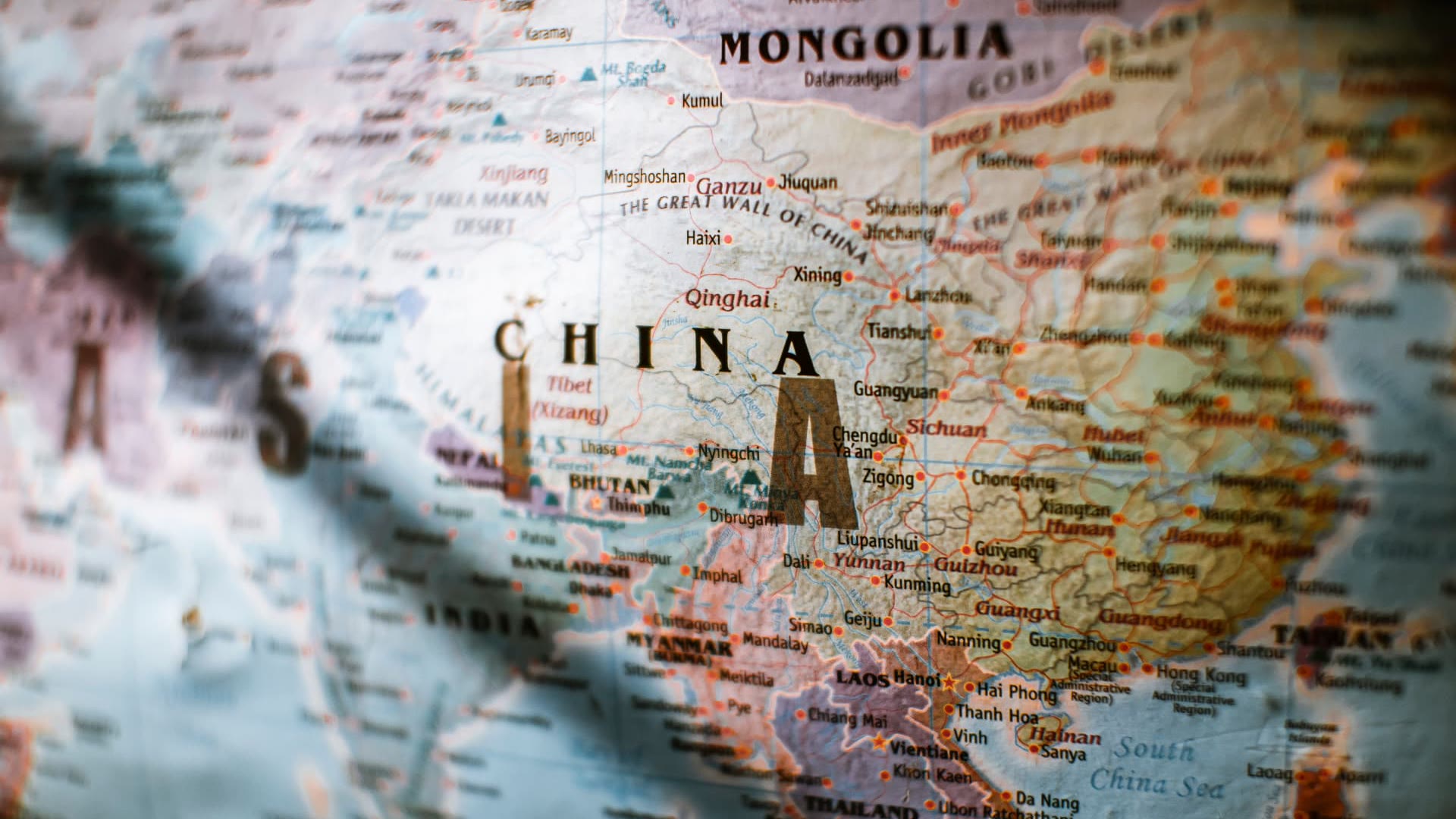
Over the past couple of weeks, I have been following the developments around US export controls on Nvidia GPUs and their potential implications for Southeast Asia's data center industry. One question I find particularly interesting is whether restrictions on Chinese companies accessing advanced AI chips, including through overseas GPU leasing arrangements, could eventually affect data center development and hiring across the region.
The latest US restrictions bring this question into sharper focus. Washington is tightening controls on advanced chip exports to countries including Singapore, Malaysia, Thailand and Indonesia, while also targeting arrangements that allow Chinese companies to access significant computing capacity remotely through overseas data centers.
Having spent considerable time speaking with data center developers, operators, investors and candidates across the region, I think the potential implications extend well beyond the semiconductor industry.
Why Southeast Asia Could Be Particularly Exposed
Southeast Asia has attracted substantial data center investment over recent years, driven by hyperscaler expansion, cloud adoption, AI infrastructure development and increasing demand for computing capacity. Malaysia, particularly Johor, has emerged as a major development market, while Thailand and Indonesia have also attracted growing interest.
An interesting part of this expansion has been the emergence of GPU-as-a-Service providers and neocloud companies. These businesses invest in large clusters of Nvidia GPUs and lease computing capacity to customers, allowing AI companies to access advanced infrastructure without purchasing and operating the hardware themselves.
For Chinese AI companies facing restrictions on importing advanced Nvidia GPUs directly, accessing computing capacity through overseas facilities has offered an alternative. Southeast Asia's proximity to China, infrastructure investment and growing data center ecosystem have made it an attractive location for some of these arrangements.
If access to that computing capacity becomes more restricted, an important source of demand for certain AI infrastructure projects could weaken.
Could This Affect Data Center Investment?
I think the impact will depend heavily on the type of operator and the customers supporting each development.
Facilities backed by established hyperscalers, long-term enterprise demand or domestic cloud requirements may be relatively insulated. However, projects relying on GPU leasing to Chinese customers could face greater uncertainty, particularly where their commercial viability depends on obtaining the latest Nvidia hardware.
The implications could extend beyond GPU procurement. Developers and investors may need to reconsider projected utilisation, customer concentration, financing assumptions and the timing of new developments. If GPU operators cannot obtain the hardware they need or serve their intended customers, some projects could be delayed, resized or reconsidered altogether.
There is also a distinction between announced data center capacity and capacity supported by sustainable customer demand. The rapid expansion of AI infrastructure has encouraged substantial investment, but changes in export regulations could expose projects where demand assumptions are particularly dependent on a narrow customer base.
I would be surprised if these restrictions significantly undermine Southeast Asia's overall data center growth. Regional cloud adoption, enterprise digitalisation and hyperscaler investment remain important long-term drivers. However, certain segments of the AI infrastructure market could experience a meaningful slowdown.
What Could This Mean for Data Center Talent?
From a recruitment perspective, this is where the consequences could become particularly interesting.
Over recent years, the expansion of hyperscale and AI data center developments has created strong demand for experienced professionals across development, power, engineering, construction, commissioning and operations. Many companies have been competing for a relatively limited pool of talent with proven experience delivering large-scale, mission-critical infrastructure.
If some GPU-focused developments are delayed or cancelled, hiring demand could soften in the markets and companies most exposed to these projects. We could see recruitment timelines extended, headcount plans revised and greater caution around building large development and construction teams ahead of confirmed project commitments.
However, the impact would probably be uneven. Established hyperscalers and operators with diversified customer bases may continue expanding, while smaller neoclouds or developers dependent on Chinese AI demand could become more conservative.
There could also be opportunities for employers. Professionals who have been difficult to attract in an extremely competitive market may become more accessible if certain projects slow down. Companies with strong funding, committed customers and long-term development pipelines could find themselves in a better position to secure experienced talent.
One area where I would expect demand to remain resilient is for professionals who can help companies navigate these uncertainties. Leaders with experience in commercial strategy, infrastructure investment, regulatory compliance, power procurement and complex international development could become increasingly valuable.
My Takeaway
I do not expect Southeast Asia's data center boom to disappear because of US export controls. The region has strong underlying demand drivers, and AI infrastructure investment will continue to create opportunities.
However, I do think we need to distinguish between demand driven by long-term regional computing requirements and demand dependent on Chinese companies accessing restricted Nvidia GPUs through overseas facilities.
If the latter becomes increasingly difficult, some of the aggressive expansion plans we have seen across the region may need to be reassessed.
For the talent market, this could mean a more selective hiring environment, with experienced professionals continuing to be sought after by well-capitalised operators while companies exposed to regulatory uncertainty take a more cautious approach.
It will be interesting to see how this develops over the coming months, particularly whether GPU leasing providers can diversify their customer bases and how investors respond to the changing regulatory environment.
At Prosidon, we work with data center developers, operators, and investors globally to secure leadership and engineering talent for hyperscale and AI infrastructure projects. If you are scaling teams in this space, we would be pleased to connect.