Market
Could the Democrats' Election Victories Shift More Data Center Investment Outside the US?
Karan Prasad · 11 November 2026 · 4 min read
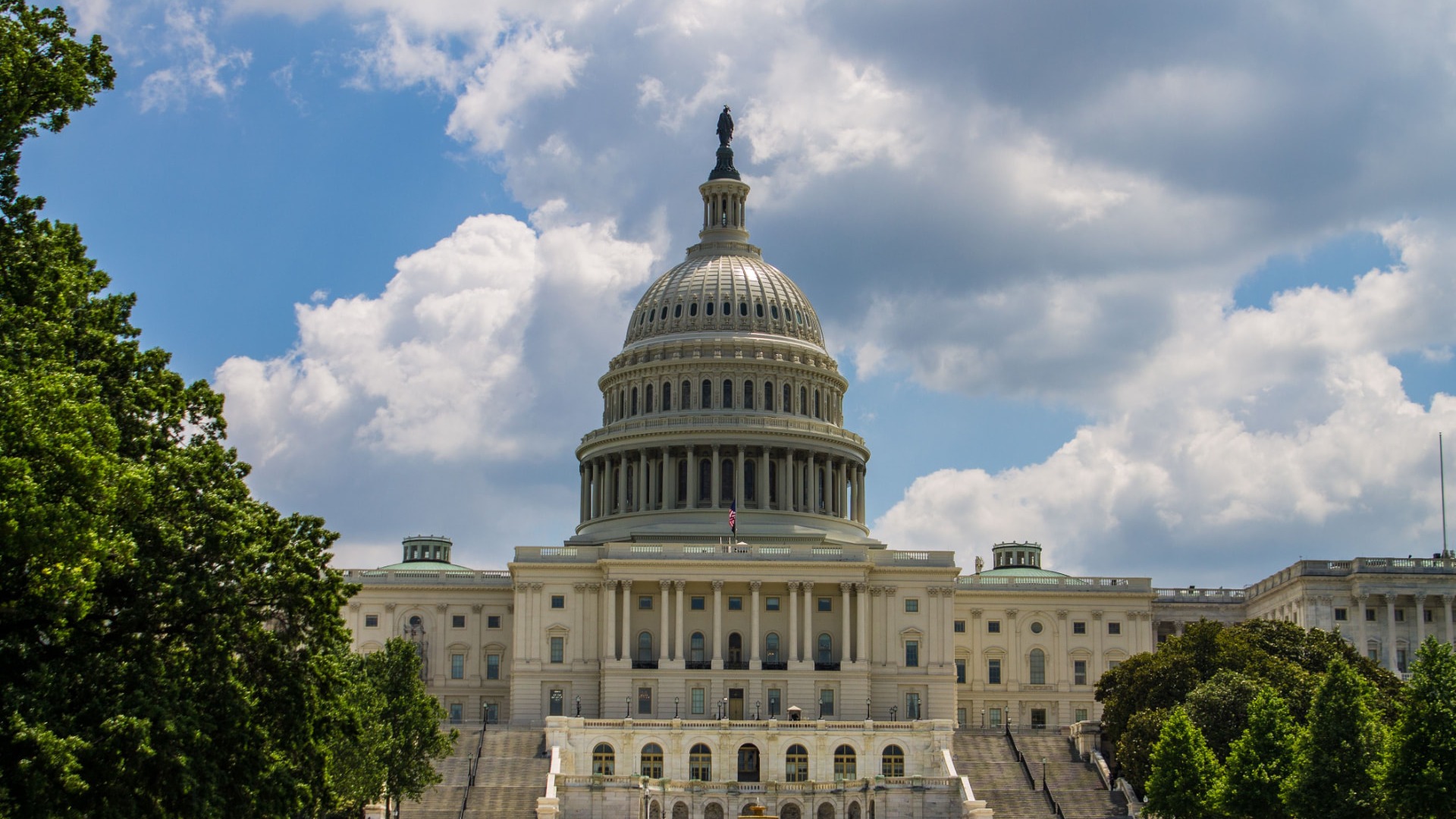
A candidate recently asked me whether the Democratic election victories in the US could lead to more data center investment moving overseas. It was an interesting question, and one that has come up in several conversations with my network of data center professionals, developers and investors over the past couple of weeks. Those discussions have shaped my thinking on how the political environment could influence investment decisions and, importantly, what this might mean for the global talent market.
With some newly elected leaders calling for tighter restrictions on data center development, particularly around electricity prices, water consumption and environmental impact, there is reason to consider whether certain US markets could become more challenging for developers. I doubt this will significantly slow the overall growth of US data center infrastructure. Demand for AI computing capacity remains substantial, but additional regulatory scrutiny, longer permitting timelines and rising development costs could influence where companies choose to deploy their next round of capital.
Could Other Countries Benefit?
We have already seen how regulatory restrictions can redirect investment. When Singapore introduced its data center development moratorium in 2019, neighbouring Malaysia, particularly Johor, benefited from increased interest. Developers and operators found opportunities to build larger facilities with more available land and competitive development costs.
Something similar could happen internationally if certain US states become more difficult to develop in. Canada, with its proximity to the US and access to hydroelectric power, appears particularly interesting. The UAE and Saudi Arabia are investing heavily in AI infrastructure, while European markets such as France and the Nordics offer attractive energy and infrastructure characteristics.
However, the ability to relocate computing workloads has its limits. Applications requiring low latency, domestic data residency or proximity to customers will continue to require local infrastructure. AI training and certain other computing workloads offer greater geographical flexibility, potentially allowing companies to locate capacity wherever power, land and development conditions are most attractive.
My expectation is that the US will continue attracting enormous investment, but a greater proportion of incremental AI infrastructure spending could find its way into international markets.
What Does This Mean for Data Center Recruitment?
This is where the development becomes particularly interesting from a recruitment perspective.
Through our conversations with data center developers, operators and investors across different markets, one challenge comes up consistently: finding experienced professionals who have actually delivered large-scale data center projects.
Whether a company is developing in Texas, Johor, Dubai or Europe, it needs people who understand power procurement, utility negotiations, engineering, construction, commissioning and mission-critical operations. While the number of projects continues to grow, the pool of professionals with proven hyperscale delivery experience remains relatively limited.
International expansion adds another layer of complexity. Companies entering new markets often need experienced leaders who understand hyperscale development standards, alongside local professionals familiar with regulations, contractors, utilities and business practices. Finding individuals who combine these capabilities can be particularly challenging.
I also think this could create interesting opportunities for professionals willing to relocate internationally. Experienced development, construction and operations leaders may find their skills increasingly sought after in emerging markets. At the same time, companies may need to become more open to hiring from adjacent infrastructure sectors and investing in developing local talent.
For employers, the challenge will be anticipating these talent requirements early. We regularly see companies entering markets where the development opportunity is attractive, only to discover that the local talent pool is much smaller than expected. Hiring strategies, compensation expectations and decisions around international versus local recruitment need to be considered alongside the investment strategy.
My Takeaway
Based on these recent conversations and my own observations of the market, I expect US data center investment to remain strong despite increasing political and regulatory scrutiny. However, countries offering reliable power, predictable permitting and supportive development policies could capture a larger share of future investment.
From a recruitment perspective, this could make an already competitive talent market increasingly international. Developers, operators and investors expanding across multiple countries will be competing for many of the same experienced professionals, making early workforce planning and access to international talent increasingly important.
At Prosidon, we work with data center developers, operators, and investors globally to secure leadership and engineering talent for hyperscale and AI infrastructure projects. If you are scaling teams in this space, we would be pleased to connect.