Global
The $500 Billion Bet: What Nvidia's Financing Platform Means for the Industry
Karan Prasad · 19 August 2026 · 3 min read
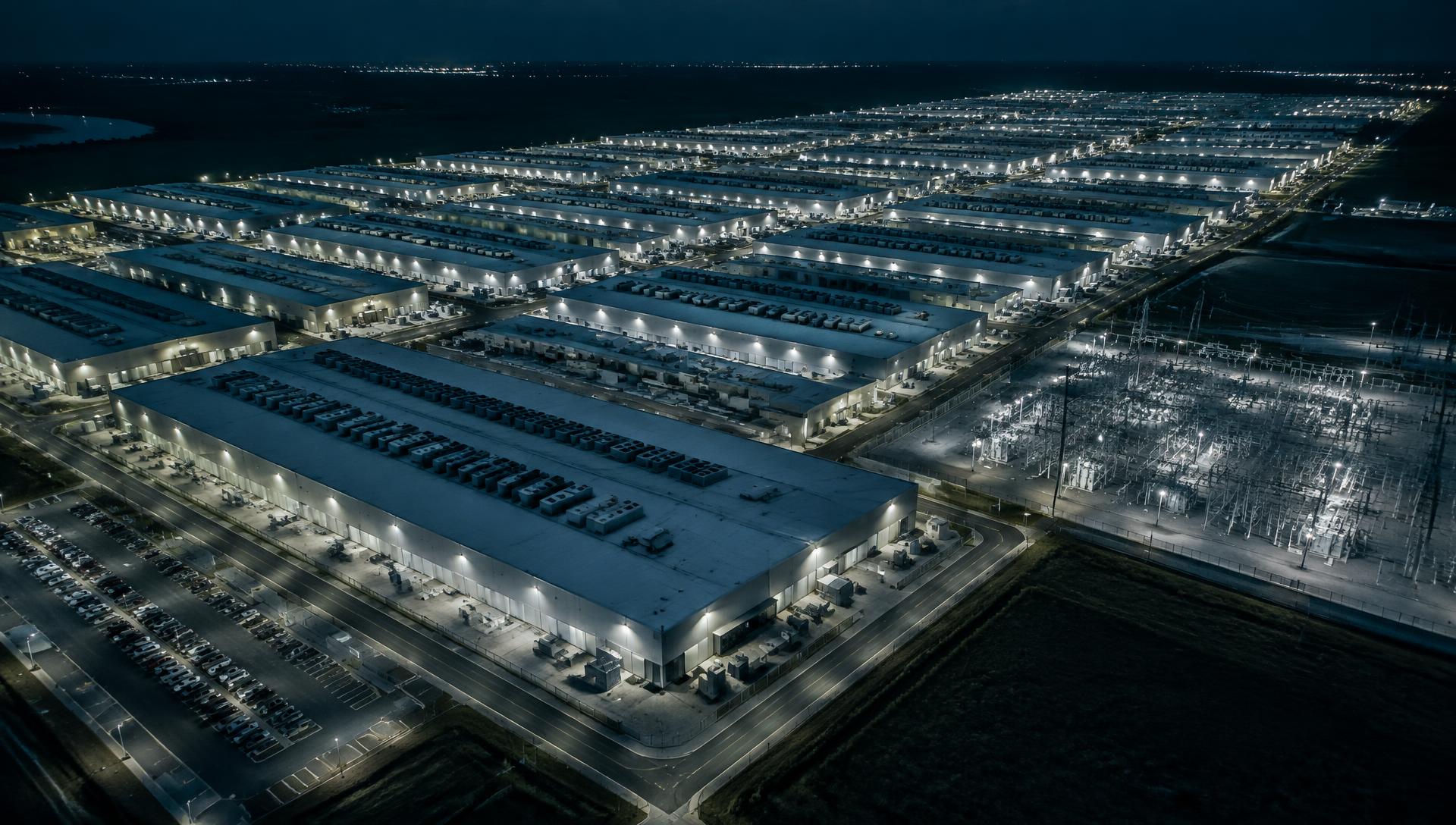
NVIDIA just signed memoranda of understanding with Apollo, BlackRock, Blackstone, Brookfield, Goldman Sachs, and KKR to mobilise over $500 billion for AI infrastructure financing. It is one of the more significant structural announcements the industry has seen this year, and it is worth understanding properly before the number runs away with the headline.
What this actually is
NVIDIA is not spending $500 billion. It is not investing in its own customers so they can buy its chips, which would raise the circular financing concerns that have come up in other contexts. And it is also different from the project finance arrangements at the data center level that several of these same investors are already involved in through their infrastructure funds.
What NVIDIA is doing is establishing financing platforms that will allow neocloud companies, frontier AI labs, and enterprises to access capital to purchase GPU clusters at a scale they could not fund from their own balance sheets. Each financial firm will independently underwrite and deploy that capital. NVIDIA connects the dots and, in doing so, expands the universe of companies that can afford to buy its products.
Why this is different
Historically, the largest buyers of NVIDIA's chips have been the hyperscalers. AWS, Google, Microsoft, and Meta have the capital to buy at scale without external financing. They do not need a mortgage to buy a house, to use an analogy.
But the neocloud and enterprise market is different. These are companies with real demand for compute and real revenue potential, but without the balance sheet depth to write nine or ten figure cheques for GPU infrastructure. NVIDIA's financing platform is essentially introducing mortgages to a market that previously only had cash buyers.
What happens when mortgages become available in a housing market? Demand increases. More buyers can participate. Prices reflect a broader base of capital. The same logic applies here. More companies will be able to access GPU compute at scale, which means more demand for chips, more demand for data centers to house them, more demand for power to run them, and more demand for the infrastructure that connects them.
What it means for the industry
If a meaningful portion of this $500 billion flows, the downstream effects are significant. More companies building AI infrastructure means more data centers under development, more power being procured, more construction activity, and more operational capacity being commissioned simultaneously.
Unlike chips, where supply can be ramped up to meet demand, the pipeline of experienced people to develop, build, and operate this infrastructure cannot be scaled in the same way. The market for senior talent in this sector was already tight before this announcement. Anything that further accelerates the pace of AI infrastructure deployment tightens it further.
That is the part of this story that tends to get less attention than the $500 billion figure. But for anyone responsible for building and running these facilities, it is probably the more immediate challenge.
If you want to talk through your talent strategy or have a specific hire that needs to move, we would be glad to help.