Global
$7 Trillion by 2030: What the numbers mean for the people who have to deliver it
Karan Prasad · 2 September 2026 · 2 min read
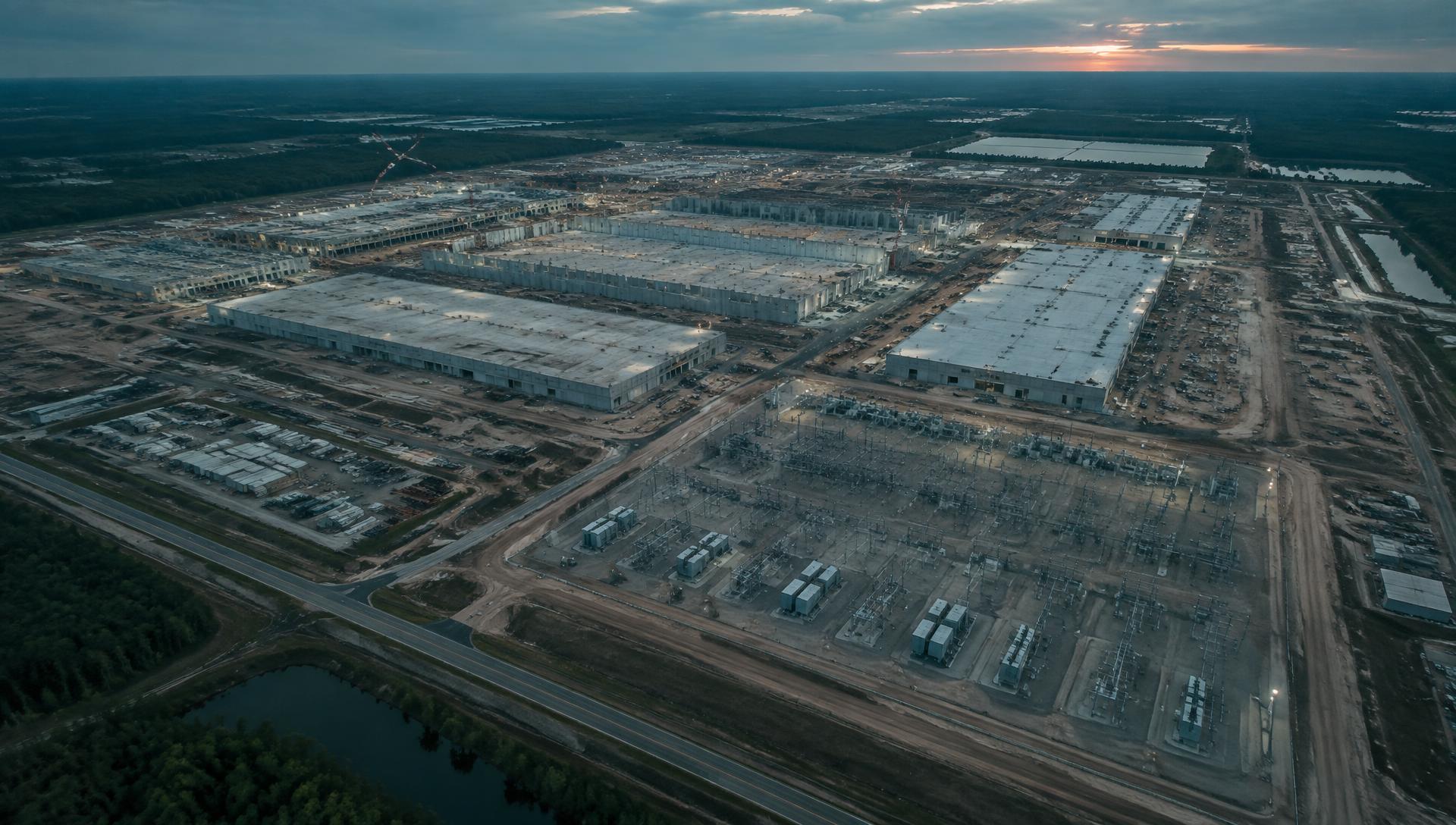
McKinsey projects global data center investment could reach $7 trillion by 2030. Global capacity is expected to roughly double from around 100GW today to 200GW, with around 70% of new demand coming from AI workloads.
The number is extraordinary. What is less discussed is what it takes in human terms to actually deliver it.
The vendor numbers tell the real story
The build-out is already showing up in vendor earnings. Schneider Electric's North American sales rose 23% in Q2. Vertiv raised its full-year 2026 net sales growth outlook to 31%, with operating profit up 44%. Eaton reported electrical Americas orders up 41%.
These are the companies supplying switchgear, power management systems, transformers, and cooling infrastructure. When vendors are growing at this pace, the people installing, commissioning, and operating what they supply are in equally high demand.
The talent gap behind the investment
Every gigawatt of new capacity requires a specific workforce. At the construction phase that means HV, MV, and LV electrical engineers, power systems specialists, commissioning engineers, and project managers with critical infrastructure experience. At the operational phase it means critical environment managers, facilities engineers, and operations directors capable of maintaining the uptime standards hyperscale customers demand.
This talent pool has been built over decades in a niche sector. It is now being stretched across more projects, more markets, and more simultaneous construction phases than at any point in the industry's history. McKinsey flags supply chain constraints as a critical bottleneck. The same misalignment exists in the talent market. The workforce the industry needs was not built in anticipation of $7 trillion of investment. It is being competed for in real time.
Future planning is essential
The companies that will navigate this well treat talent planning with the same rigour they apply to power procurement and equipment lead times.
Attraction has to start earlier. The best HV engineers, development directors, and operations heads with hyperscale experience are being approached continuously. Waiting until a project needs them is waiting too long.
Retention is getting harder. Compensation that was competitive twelve months ago may not be today. The best people are increasingly choosing roles based on power certainty, supply chain credibility, and the quality of the team around them.
Redundancy in critical roles is still treated as a luxury by most organisations. It is not. Losing a commissioning lead or operations director on a live project with no successor creates disruption that emergency recruitment cannot fully resolve. Building depth into teams and maintaining a warm relationship with the external market are disciplines that pay back significantly.
The projects making up that $7 trillion are being planned and announced right now. The talent needed to deliver them needs to be in place well before the first concrete is poured. The companies that get this right in the next twelve to twenty-four months will build faster and operate better than those that treat it as something to solve later.
In this industry, later is already too late.
If you want to talk through your talent planning for current or upcoming projects, we would be glad to help.